
Gastrointestinal (GI) Cancer & Retroperitoneal Cancer
Understanding the different types of gastrointestinal cancers and their characteristics

What are Gastrointestinal Cancers?
Gastrointestinal (GI) cancers are a group of cancers that develop in the digestive tract—the long, complex system responsible for swallowing, digesting food, absorbing nutrients, and eliminating waste.
These cancers can occur in any part of the GI tract, including the esophagus, stomach, duodenum, small intestine, colon, and rectum. They usually begin as abnormal growths in the inner lining of the digestive organs and can spread deeper into the wall or to nearby organs if not detected early.
What is Retroperitoneal Cancer?
Retroperitoneal cancer arises in the retroperitoneum, the deep space behind the stomach and intestines.
This area contains vital structures like kidneys, pancreas, adrenal glands, major blood vessels, lymph nodes, and soft tissues. Cancers here are often large by the time they are detected, because the retroperitoneal space can expand without causing early symptoms.
Retroperitoneal cancers include tumors of the organs located there and soft tissue sarcomas that originate in retroperitoneal fat, muscles, or connective tissues.
Detailed Description of Each Cancer
Esophagus Cancer
Esophageal cancer begins in the long, hollow tube that carries food from the throat to the stomach.
- Types: Squamous cell carcinoma and adenocarcinoma
- Symptoms: Difficulty swallowing (dysphagia), chest discomfort, persistent acidity, weight loss, and vomiting
- Risk factors: Smoking, alcohol consumption, chronic acid reflux, and Barrett's esophagus
- Diagnosis: Endoscopy and biopsy
- Treatment: Surgery, chemotherapy, radiation therapy, or a combination depending on the stage
Stomach Cancer (Gastric Cancer)
Stomach cancer develops from the inner lining of the stomach, most commonly as adenocarcinoma.
- Progression: Often begins slowly, progressing from early precancerous changes to more advanced disease
- Early symptoms: Indigestion, bloating, mild pain
- Advanced symptoms: Vomiting, weight loss, and difficulty eating
- Risk factors: Helicobacter pylori infection, smoking, high-salt diets, and family history
- Treatment: Gastrectomy (partial or total removal of stomach), chemotherapy, targeted therapy, and radiation
Duodenal Cancer
Duodenal cancer arises in the first part of the small intestine, just after the stomach.
- Characteristics: A rare but serious cancer
- Symptoms: Abdominal pain, vomiting, anemia, or unexplained weight loss
- Complications: Blockage in the duodenum can cause persistent vomiting after meals
- Most common type: Adenocarcinoma
- Diagnosis: Endoscopy, imaging, and biopsy
- Treatment: Surgery (such as Whipple procedure in some cases), along with chemotherapy when needed
Small Intestine Cancer
Small intestine cancers (excluding the duodenum) develop in the jejunum or ileum.
- Prevalence: Rare compared to stomach or colon cancer
- Types: Adenocarcinoma, lymphoma, sarcoma, and neuroendocrine tumors
- Symptoms: Abdominal cramps, gastrointestinal bleeding, persistent anemia, or bowel obstruction
- Diagnosis: CT scan, capsule endoscopy, or enteroscopy
- Treatment: Varies based on type, but may include surgery, chemotherapy, immunotherapy, or targeted therapy
Colo-Rectal Cancer
Colorectal cancer affects the colon and rectum, which are responsible for absorbing water and storing waste before elimination.
- Development: Usually starts as small polyps that grow slowly and may become cancerous over time
- Symptoms: Changes in bowel habits, blood in stool, abdominal discomfort, fatigue, and unexplained weight loss
- Risk factors: Age, low-fiber diet, obesity, smoking, inflammatory bowel disease, and genetic syndromes
- Early detection: Colonoscopy greatly improves outcomes
- Treatment: Surgery, chemotherapy, radiation (especially for rectal cancer), and advanced targeted therapies
Retroperitoneal Cancer
Retroperitoneal cancers form in the deep space behind the abdominal organs.
- Common types: Most are retroperitoneal sarcomas, including liposarcoma and leiomyosarcoma
- Detection challenge: Because this space can expand silently, tumors often grow large before causing symptoms
- Symptoms: Abdominal fullness, back pain, early satiety, leg swelling, or urinary issues
- Diagnosis: Typically involves CT/MRI scans and biopsy
- Treatment: Complex and often requires specialized surgical expertise, sometimes combined with radiation or chemotherapy depending on the tumor type
Advanced Diagnosis Methods
Our comprehensive diagnostic approach ensures accurate detection and staging of gastrointestinal cancers
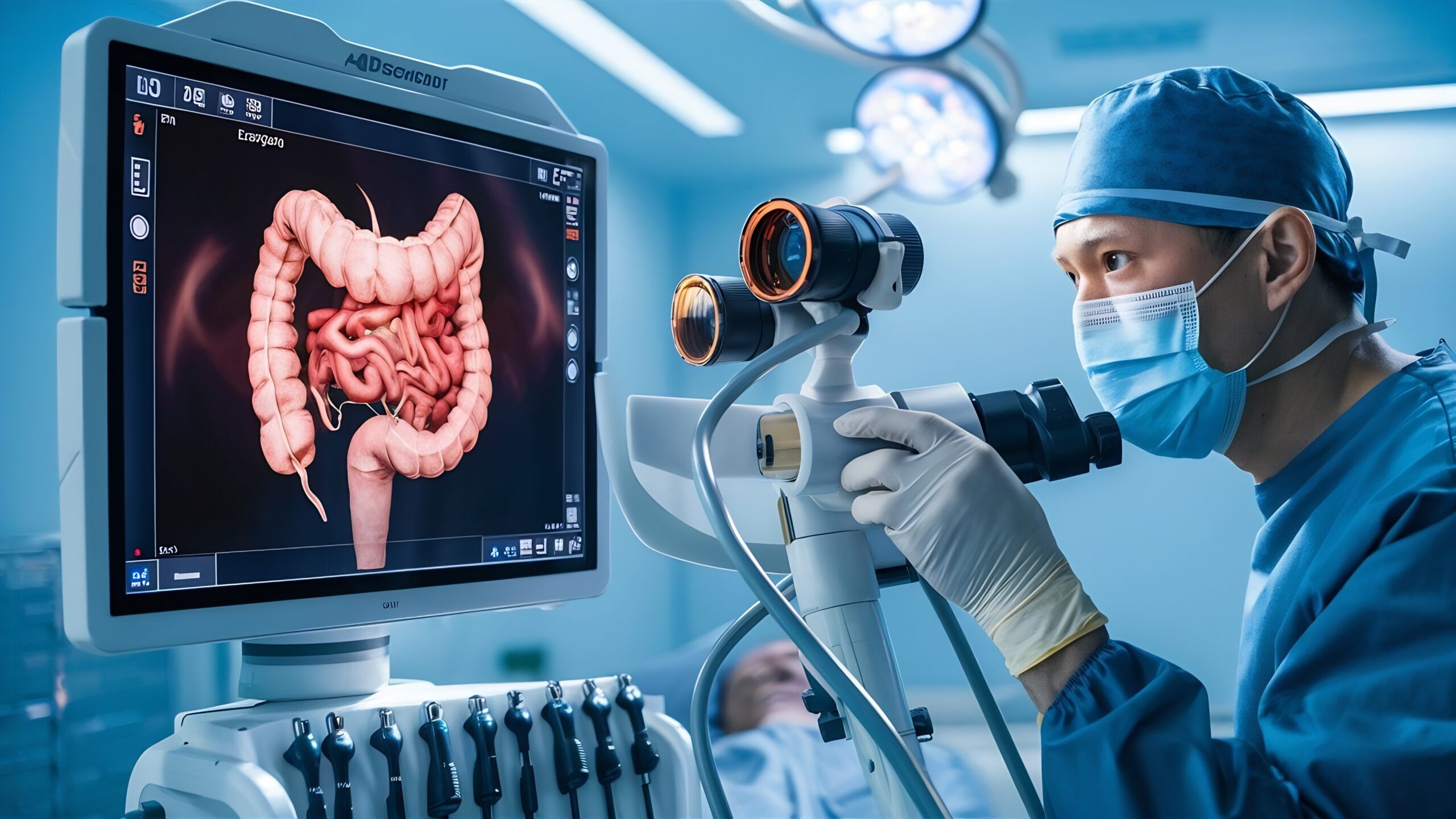
Endoscopic Examination
- Upper GI Endoscopy
- Colonoscopy
- Capsule Endoscopy
- Endoscopic Ultrasound
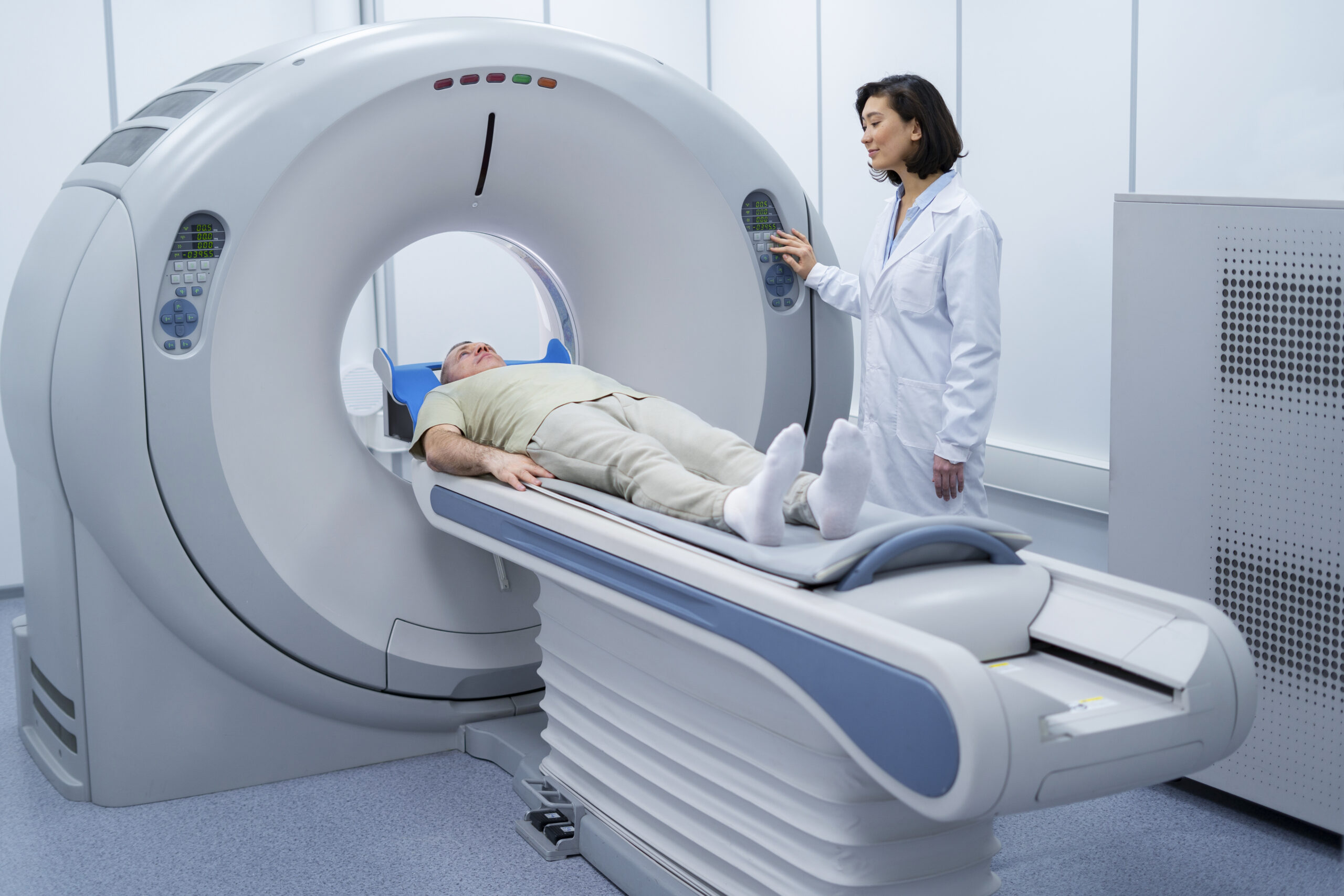
Imaging Studies
- CT Scan
- MRI Imaging
- PET-CT Scan
- Contrast Studies

Laboratory Analysis
- Blood Tumor Markers
- Genetic Testing
- Molecular Profiling
- Pathology Analysis

Clinical Assessment
- Symptom Analysis
- Risk Factor Assessment
- Nutritional Evaluation
- Treatment Planning
OncoVision Cancer Clinic
Comprehensive care for gastrointestinal cancers with advanced treatment options
Contact Information
We're here to help and answer any questions you might have. We look forward to hearing from you.
Send Us a Message
Our Mission
At OncoVision Cancer Clinic, we are dedicated to providing comprehensive, compassionate care for patients with gastrointestinal cancers. Our multidisciplinary team of specialists uses the latest diagnostic tools and treatment approaches to deliver personalized care that addresses each patient's unique needs.